
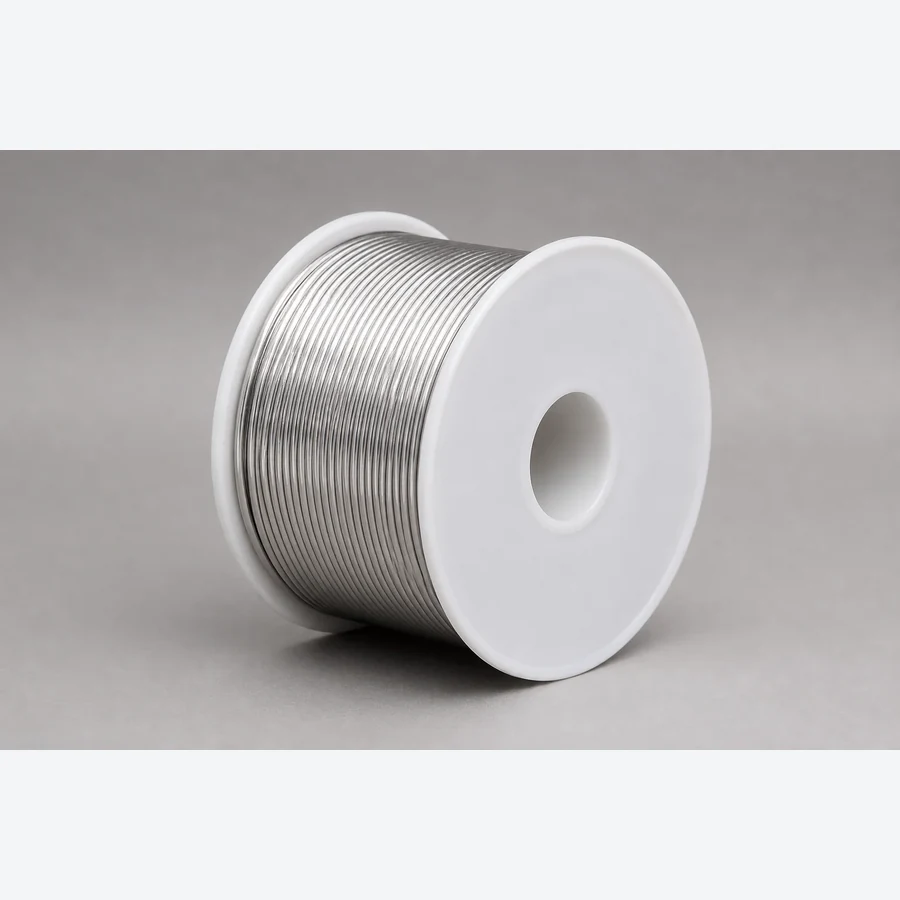
Sterling 331755 1 lb Spool
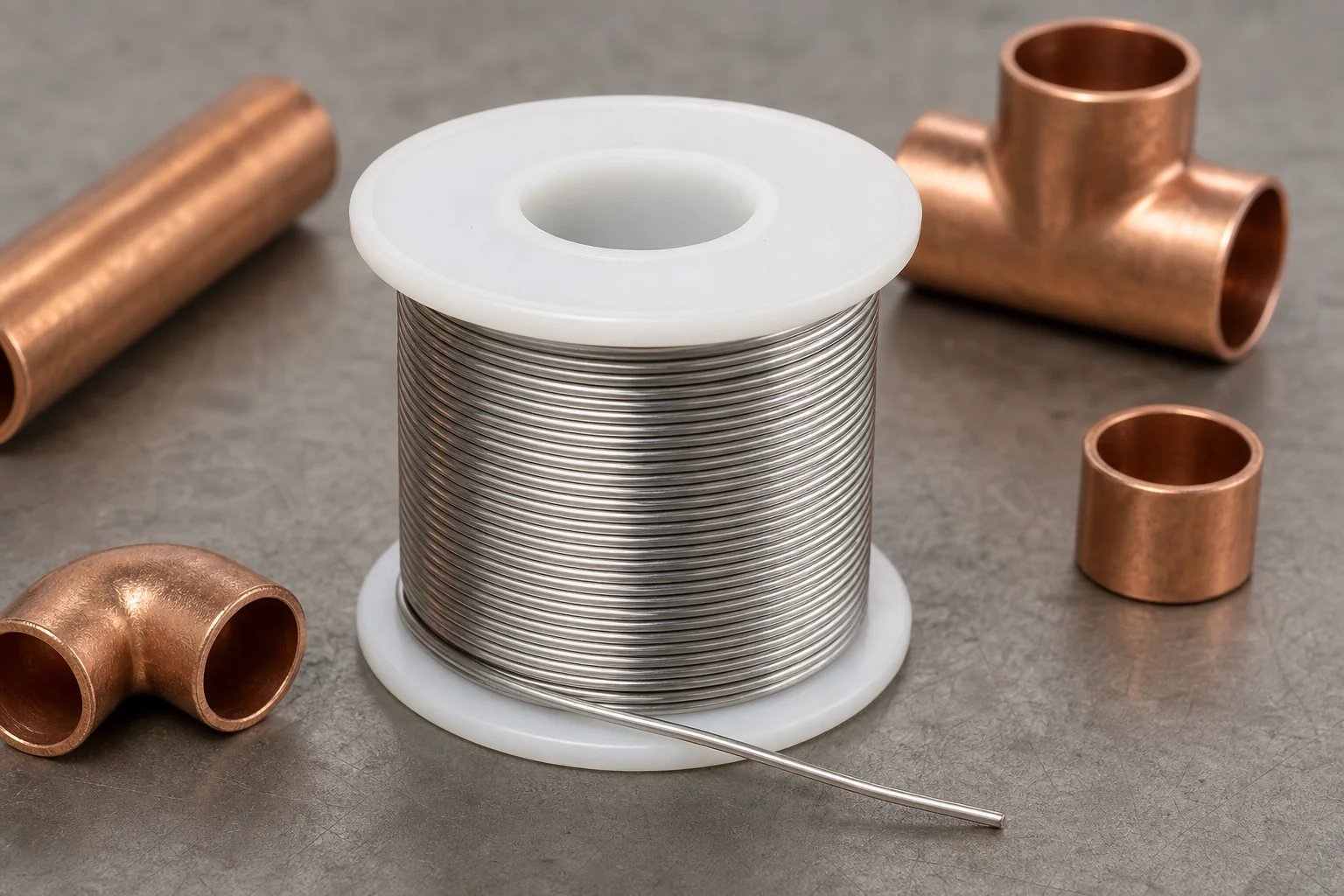
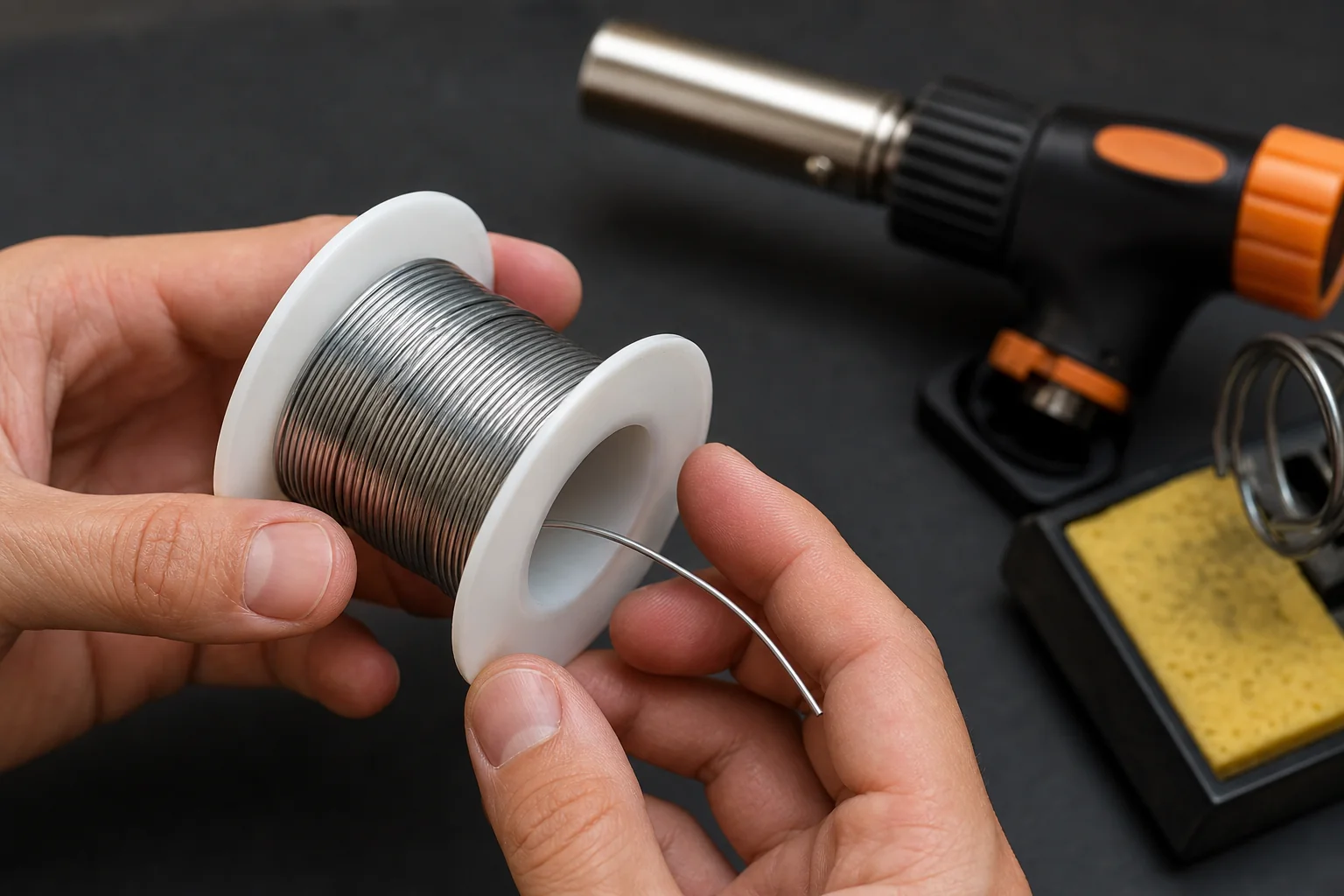
Harris Sterling lead-free tin-copper wire on a one-pound spool — NSF 61 listed with 410°F melt and 7130 psi tensile strength.
Check PriceSterling Solder is a lead-free tin-copper solid wire alloy engineered for plumbers, metal artisans, and repair specialists who need dependable joints without the hazards of lead-based filler metals.
The alloy melts at 410°F (210°C) — low enough to protect thin-wall copper and delicate brass fittings while still delivering 7130 PSI tensile strength on properly prepared copper joints. Sterling meets NSF/ANSI 61 and NSF/ANSI 372, so licensed plumbers can specify it on potable supply lines with confidence.
Whether you are sweating a bathroom branch line, restoring vintage hardware, or finishing a custom metal sculpture, Sterling flows cleanly by capillary action and leaves a bright, even fillet that inspectors and clients both recognize as professional work.
NSF/ANSI 61 & 372
Potable water ready
Product range
Explore Sterling Solder by alloy type, format, and application — each guide covers specs, technique, and when to choose wire versus paste.
Alloy composition, wire diameters, tensile data, and NSF compliance documents for spec sheets.
View specs →How Sterling tin-copper compares to silver-bearing alloys on strength, appearance, and melt temperature.
Compare alloys →Why lead-free tin-copper matters for drinking water, health codes, and long-term joint integrity.
Lead-free guide →When paste format beats solid wire — tight corners, vertical runs, and controlled alloy placement.
Paste options →410°F working temperature explained — torch settings, heat distribution, and avoiding overheated cups.
Melt data →Best Sellers
Four best-selling Sterling listings plumbers and artisans reach for first — tap Check Price for current spool sizes, flux pairings, and delivery options.
Harris Sterling lead-free tin-copper wire on a one-pound spool — NSF 61 listed with 410°F melt and 7130 psi tensile strength.
Check Price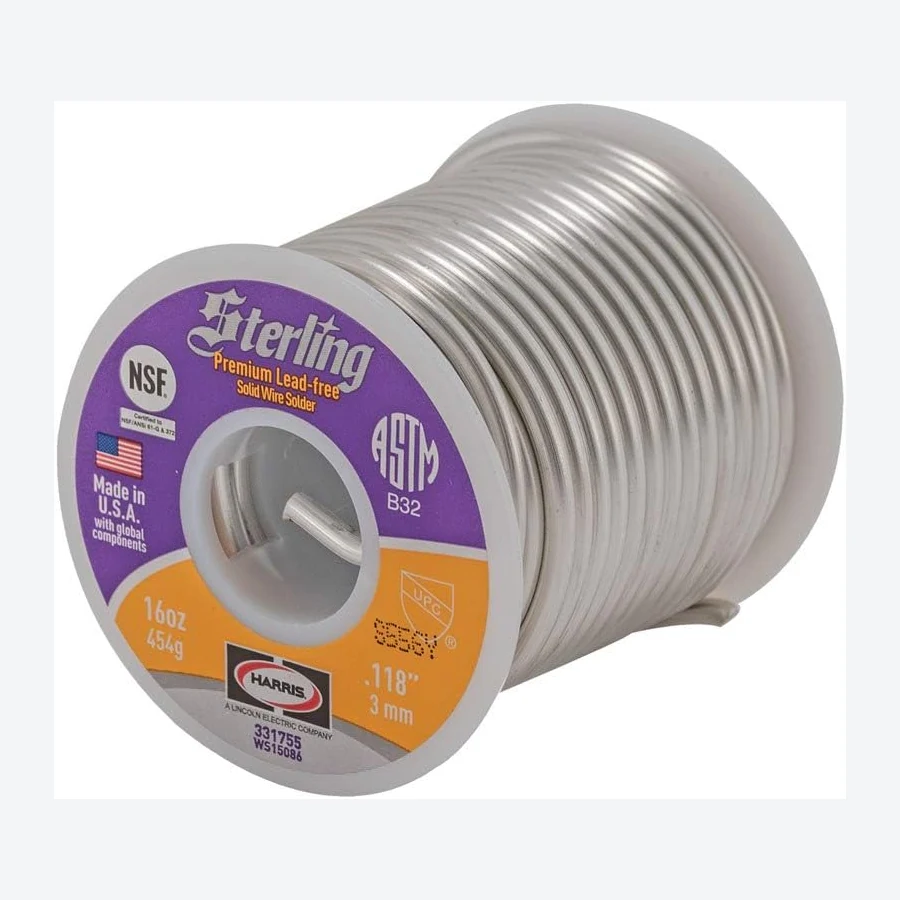
Worthington Sterling silver-bearing lead-free wire for brass transitions and visible copper joints that need extra wetting.
Check Price
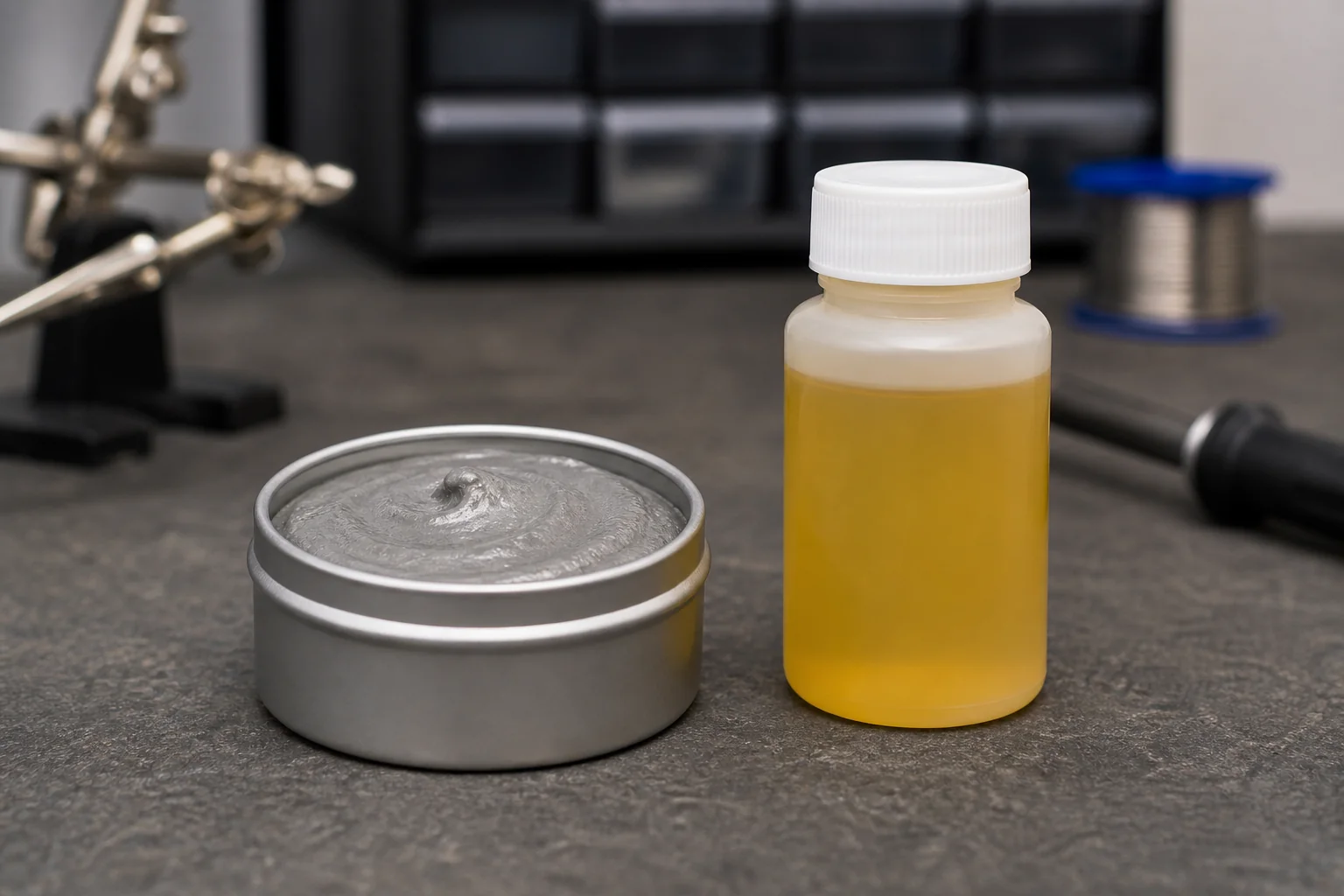
Harris water-soluble plumbing flux paste matched to Sterling alloy — ASTM B813 rated and NSF 61 compliant for potable sweats.
Check Price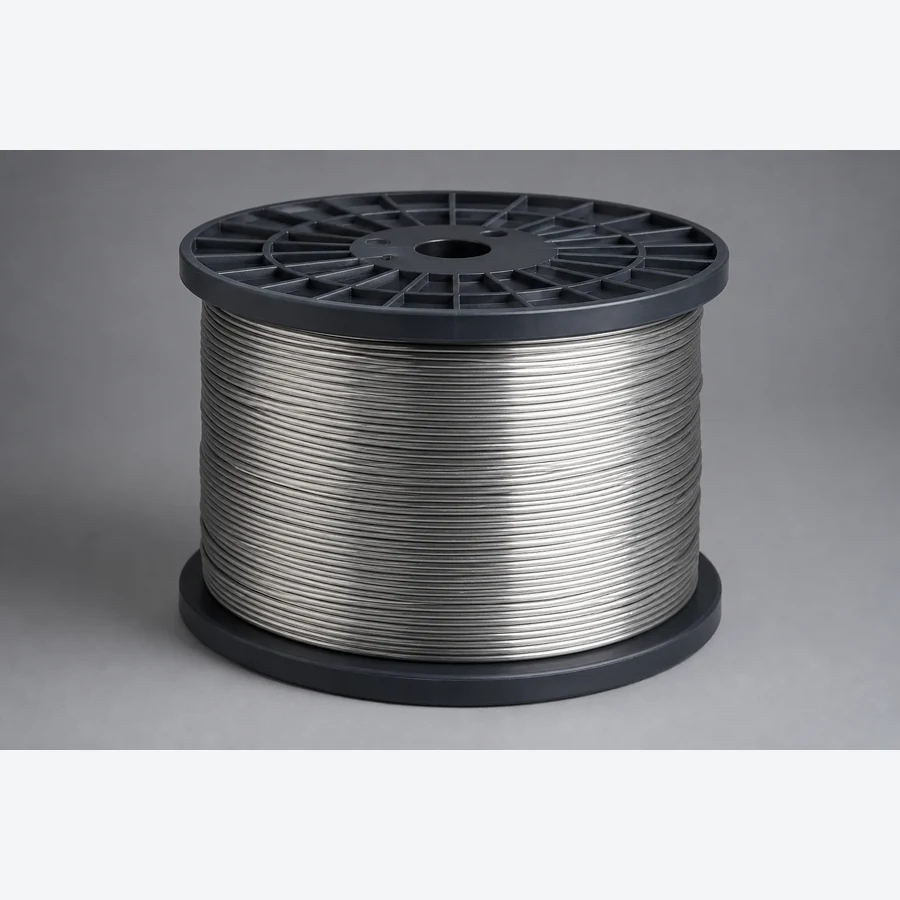
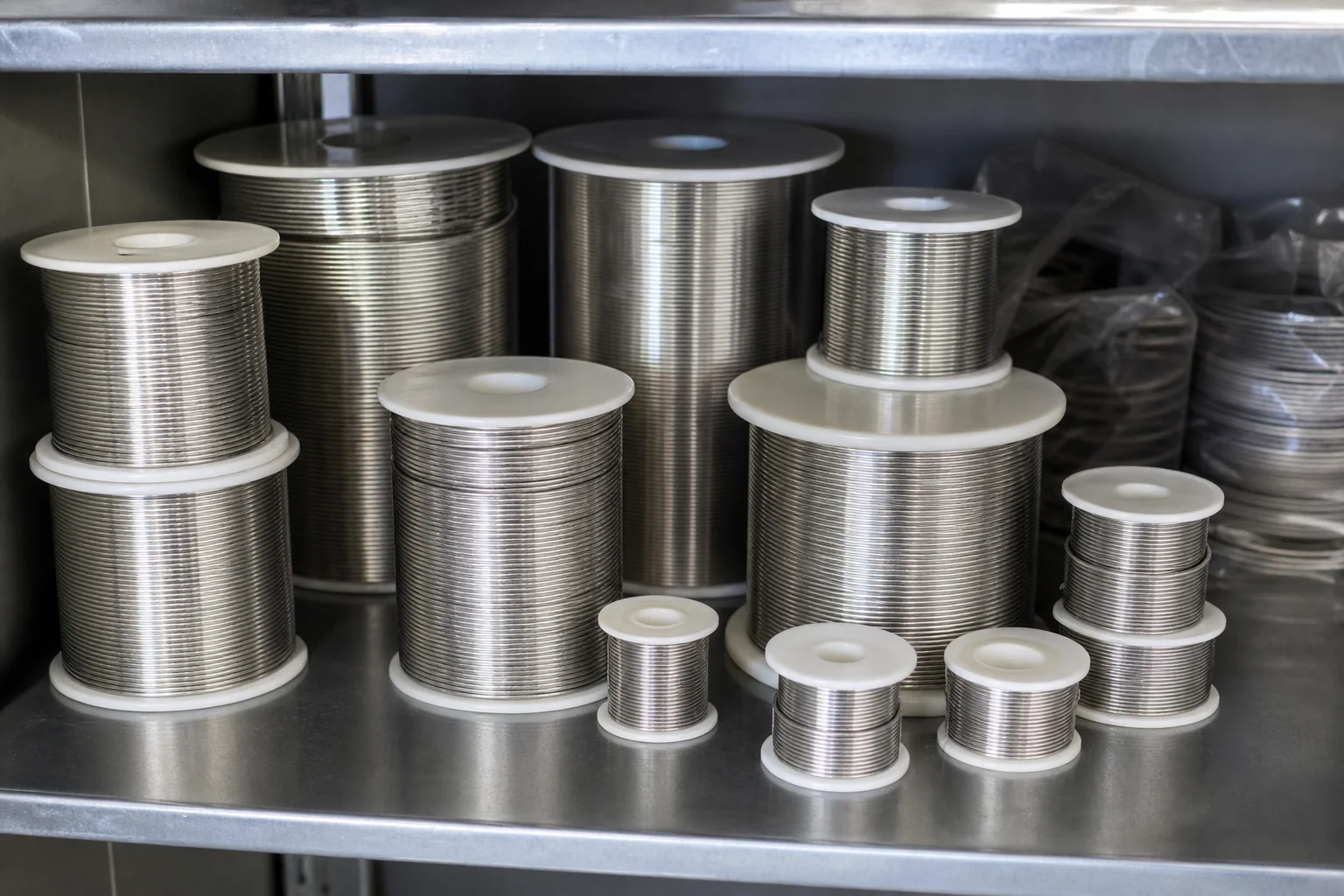
Six-spool Harris Sterling lead-free wire box for crews stocking multiple trucks with the same NSF-listed alloy.
Check Price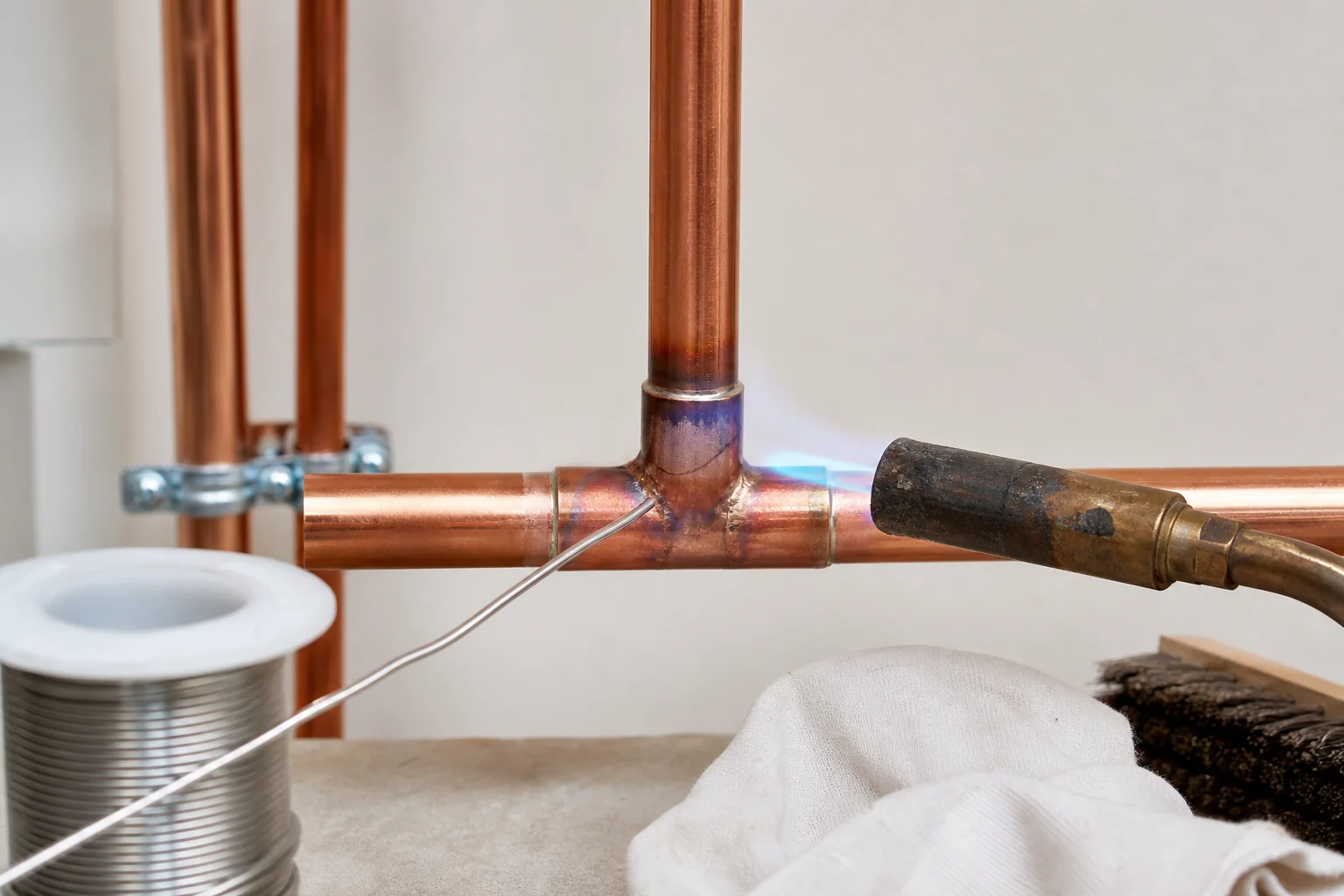
Why Sterling
Residential plumbers choose Sterling Solder because the 410°F melting point reduces the risk of overheating thin-wall Type M copper and warping press-fit adapters during repair work.
The tin-copper alloy delivers 7130 PSI tensile strength on copper when joints are clean, fluxed, and fully drawn — enough for pressurized supply lines, branch takeoffs, and fixture connections when local code permits soldering over brazing.
Metal artisans value the same properties from a different angle: Sterling flows predictably at moderate torch settings, leaves a neat fillet on brass and bronze hardware, and avoids the discoloration that high-silver alloys can leave on decorative surfaces.
NSF/ANSI 61 and NSF/ANSI 372 certification means Sterling is listed for contact with drinking water systems — a requirement on many municipal and commercial rough-in specs. Explore alloy comparisons on our silver solder page and lead-free compliance details on lead free solder.
Safe for potable plumbing and regulated water systems.
410°F working point protects tube and fittings.
ANSI 61 and 372 listed for drinking water contact.
7130 PSI tensile on properly prepared copper.
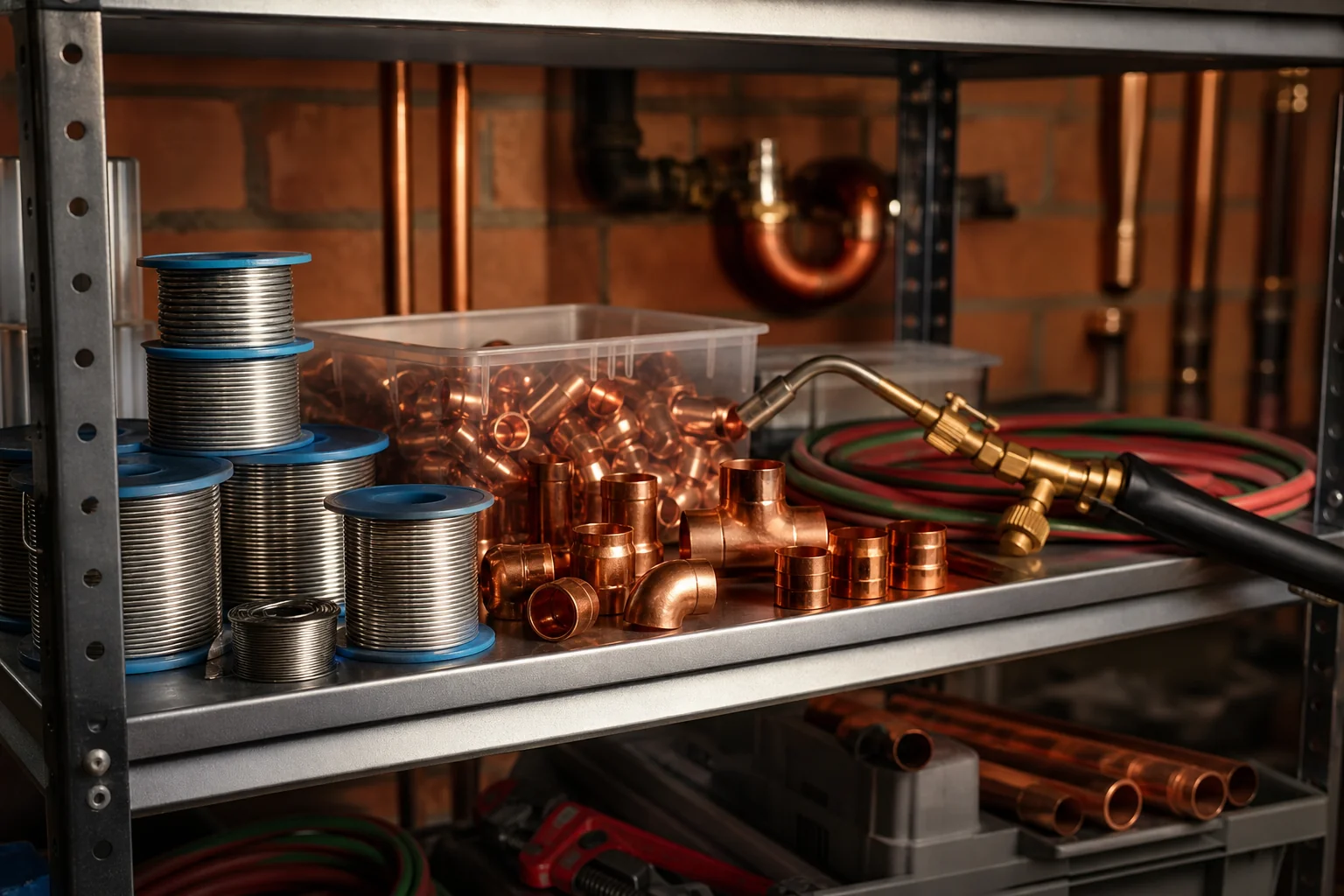
Three habits every Sterling joint shares — detailed wire diameters, paste formats, and flux pairing on our specifications guide.
Explore RangeField technique
Sterling Solder rewards preparation more than brute heat. The alloy flows by capillary action when the fitting — not the wire — reaches temperature.
Clean the joint thoroughly with emery cloth or a wire brush until bright metal shows on both the tube OD and fitting ID. Oxidation, oils, and old flux residue are the top reasons joints look fine but weep under pressure weeks later.
Apply a light, even coat of water-soluble flux to the male tube end — too much paste wicks inside the fitting and can corrode copper over time. Heat the cup evenly, touch Sterling wire to the joint, and watch for a complete fillet ring around the circumference.
Allow the joint to cool naturally. Quenching with water stresses the fillet and can crack the bond. Wipe flux residue with a damp cloth while the joint is warm but not glowing. Deeper technique notes live on our melting point and solder paste pages.
Draw solder in — do not melt wire on the flame.
Male end only — excess corrodes later.
Abrade until oxidation is gone.
Remove flux residue with a damp cloth.
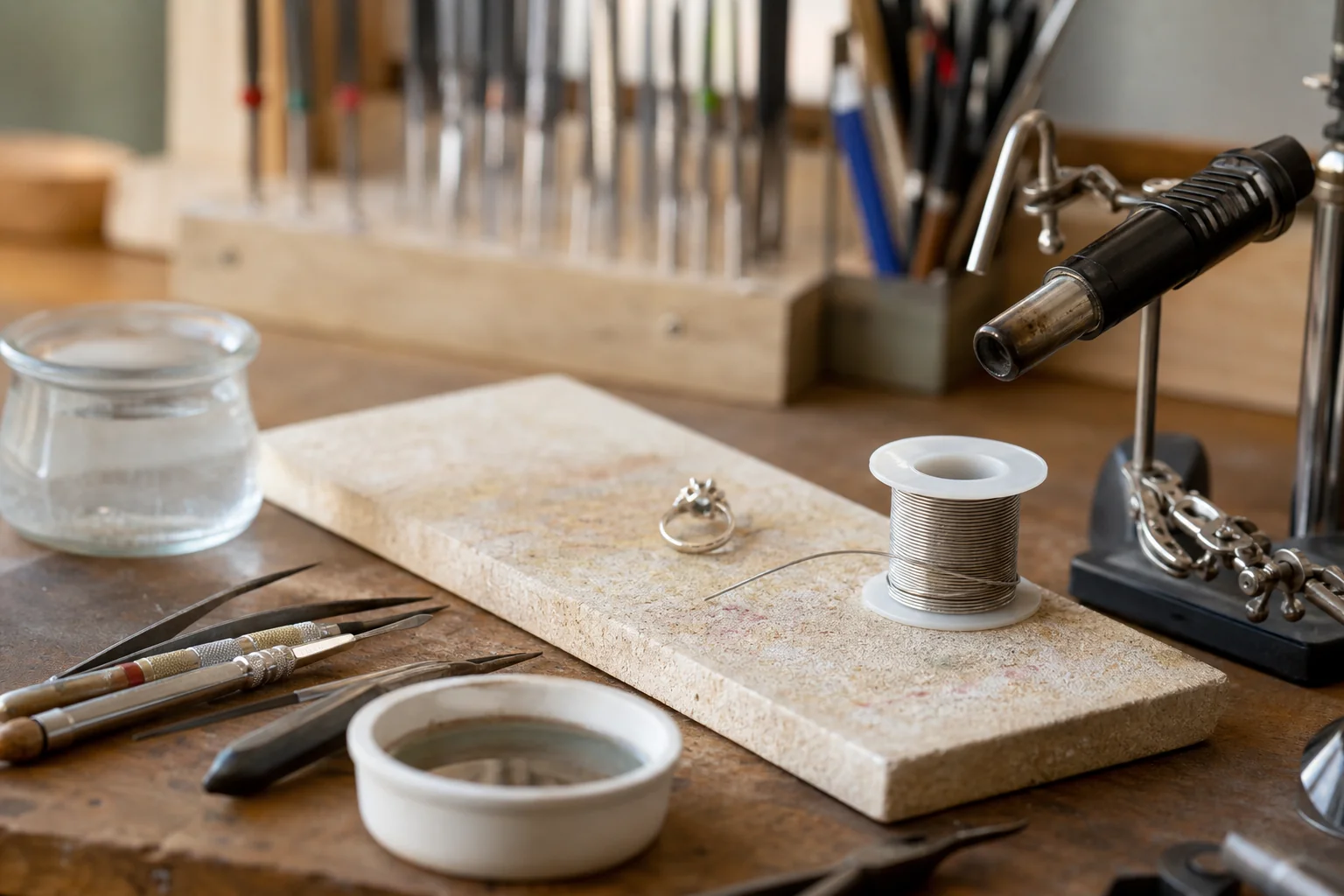
In the field
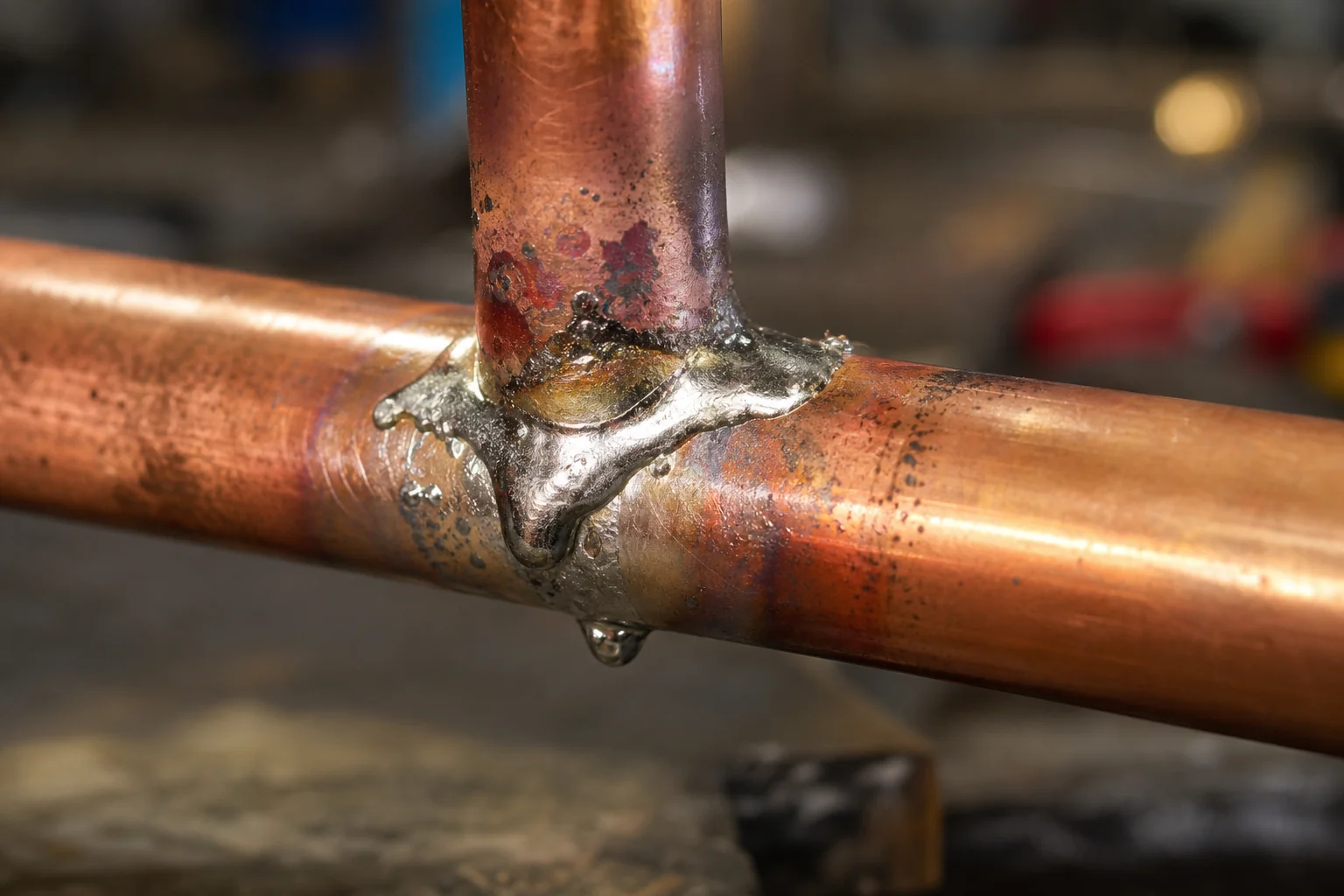
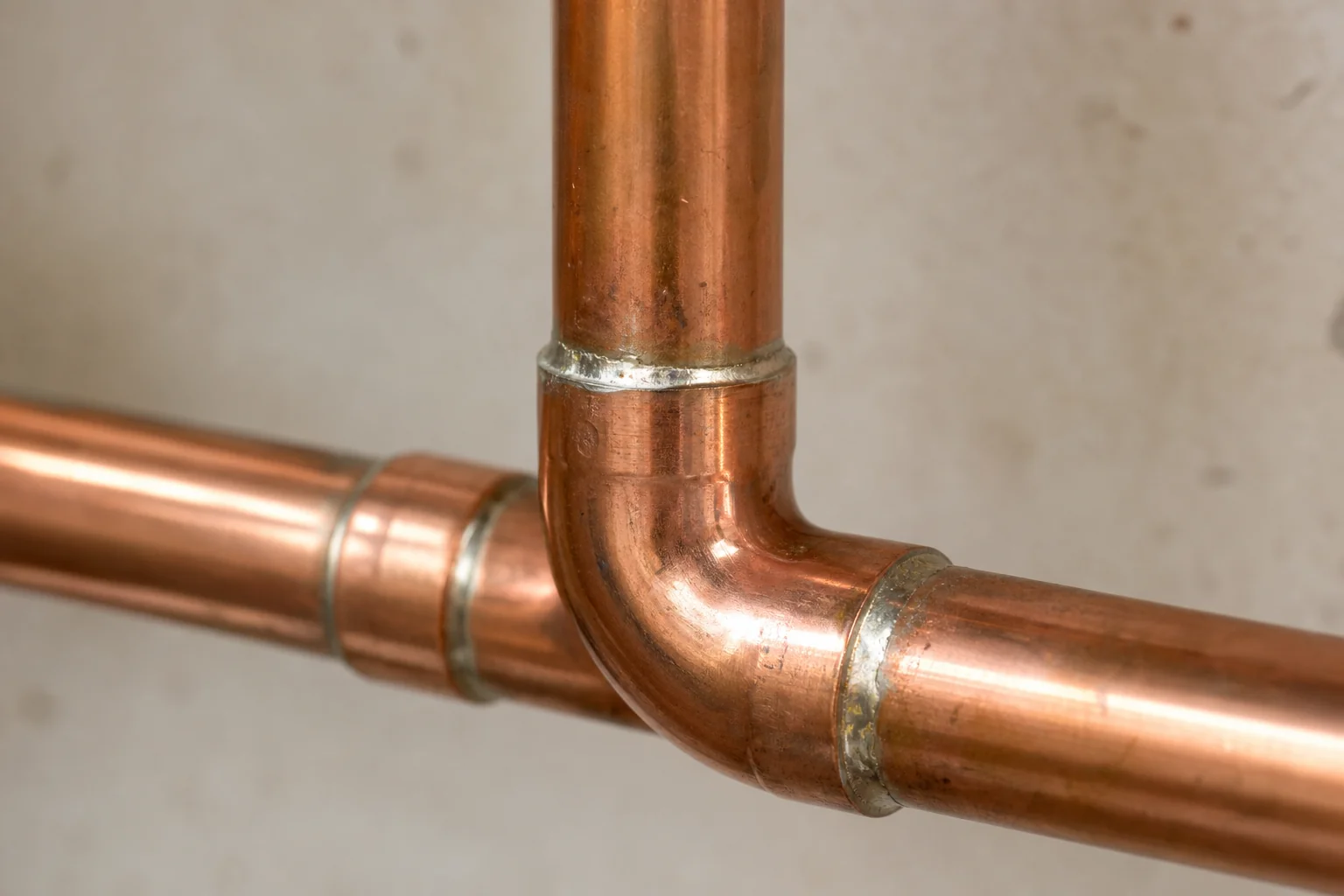
Bright fillets on copper supply lines, brass hardware restorations, and artisan metalwork — real jobs completed with Sterling Solder across plumbing and craft workshops.
Key specs
Sterling Solder is specified on job sheets for a reason — predictable melt behavior, documented tensile data, and third-party water-system certification give inspectors and project managers clear benchmarks.
Reviews
Plumbers, pipefitters, and metal artisans who specify Sterling Solder on daily work — from rough-in production to fine restoration joints.
Usage guide
Every successful Sterling joint starts with clean metal, matched flux, and even heat. Choose the right format — solid wire or paste — for the access and clearance your job demands.
Sterling Solder is specified on supply and branch lines where local code permits soldering over brazing. The 410°F melt point protects Type M tube in wall cavities, and 7130 PSI tensile strength handles normal household pressure when joints are fully drawn. Use the one-pound spool on production rough-in and keep a plumber kit on the truck for service callbacks.
Metal artisans choose Sterling for brass hardware, bronze sculpture armatures, and mixed-metal assemblies where appearance matters as much as strength. The 0.018-inch wire feeds cleanly into narrow gaps, and the moderate working temperature avoids the heavy discoloration that high-silver alloys leave on polished surfaces. Practice on scrap before committing to visible fillets on finished pieces.
Sterling meets NSF/ANSI 61 and NSF/ANSI 372 for contact with drinking water — a requirement on many municipal specs and commercial build-outs. Lead-free tin-copper composition satisfies health-code restrictions that still allow legacy lead solders in some jurisdictions. Document certification numbers on submittal packages so inspectors can verify compliance without delay.
Service plumbers reach for Sterling on shutoff valve swaps, pinhole leak patches, and fixture reconnects where speed and reliability both matter. The tin-copper paste format excels on vertical runs and tight cabinet spaces where feeding solid wire is awkward. Keep flux, emery cloth, and a plumber kit together so every truck is ready for after-hours callbacks without a supply-house run.
FAQ
Technical depth on melting point, lead-free compliance, and full specifications. Questions? Write to hello@sterling-solder.com.
Sterling Solder melts at 410°F (210°C). The moderate working temperature protects thin-wall copper and delicate brass fittings while still producing strong capillary joints when tube and cup are properly prepared.
Yes. Sterling Solder is a lead-free tin-copper alloy suitable for potable plumbing, repair work, and applications where lead content is restricted by local health codes and federal regulations.
Sterling Solder meets NSF/ANSI 61 and NSF/ANSI 372 for contact with drinking water systems. Certification documentation is available on our specifications page.
Sterling joins copper, brass, and bronze when properly fluxed and heated. It is favored for plumbing fittings, decorative hardware, and fine repair joints. See our silver solder comparison when you need higher-strength silver-bearing alloys.
Use solid wire for standard horizontal joints and production rough-in. Choose tin-copper paste for vertical runs, tight spaces, and repair work where feeding wire is difficult. Both formats use the same lead-free alloy — see our solder paste guide for technique details.
Explore Sterling Solder specifications, alloy comparisons, and field-tested technique for plumbers and artisans who demand lead-free reliability on every joint.
View Products