
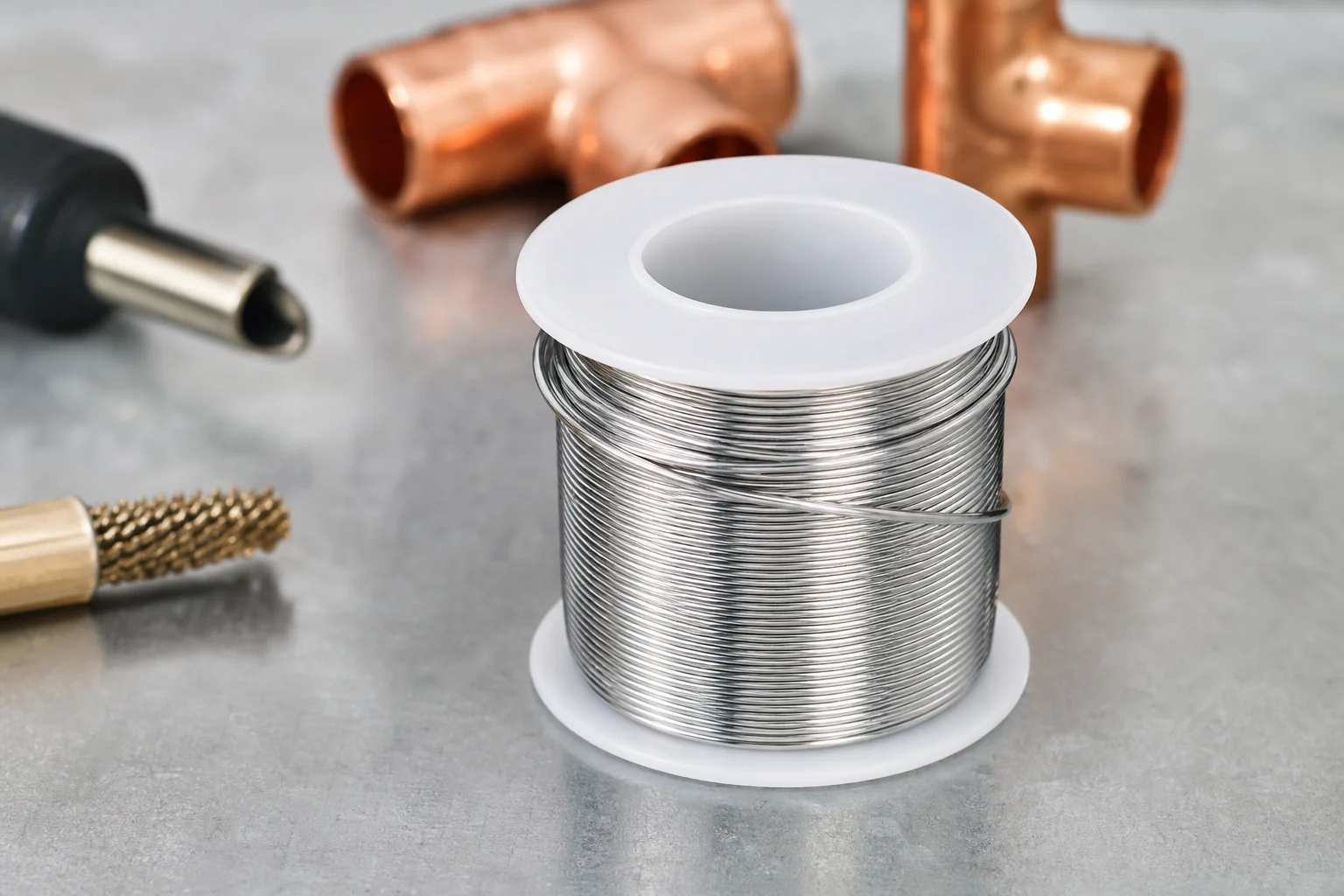
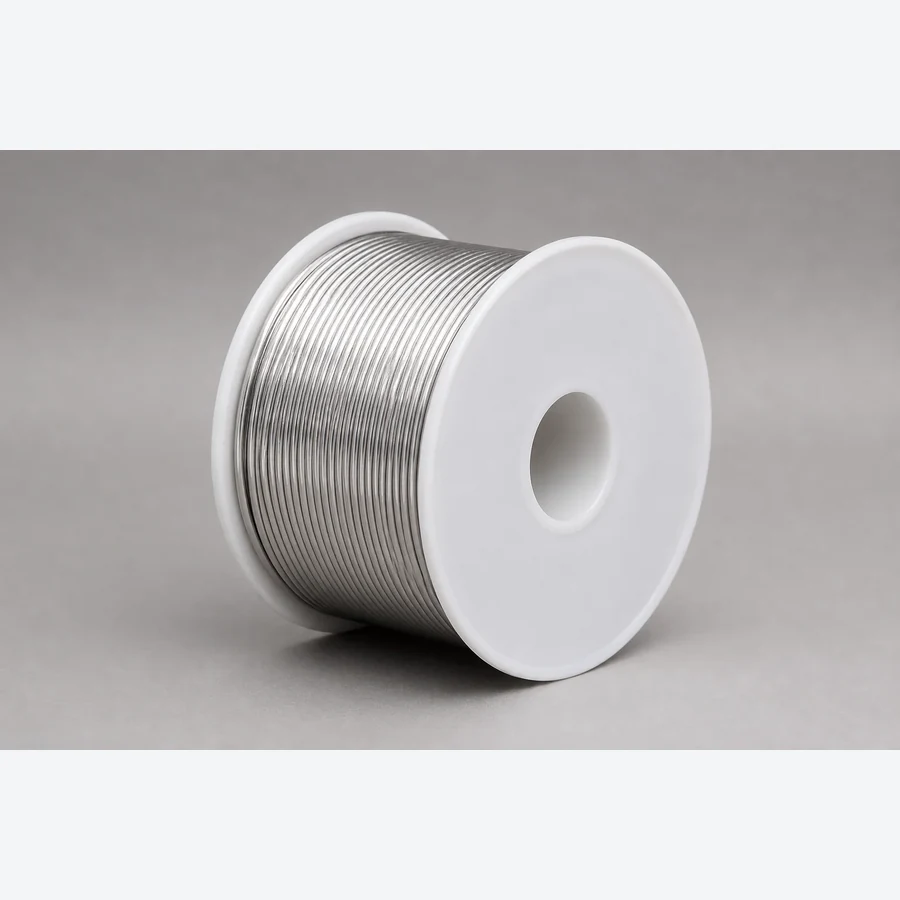
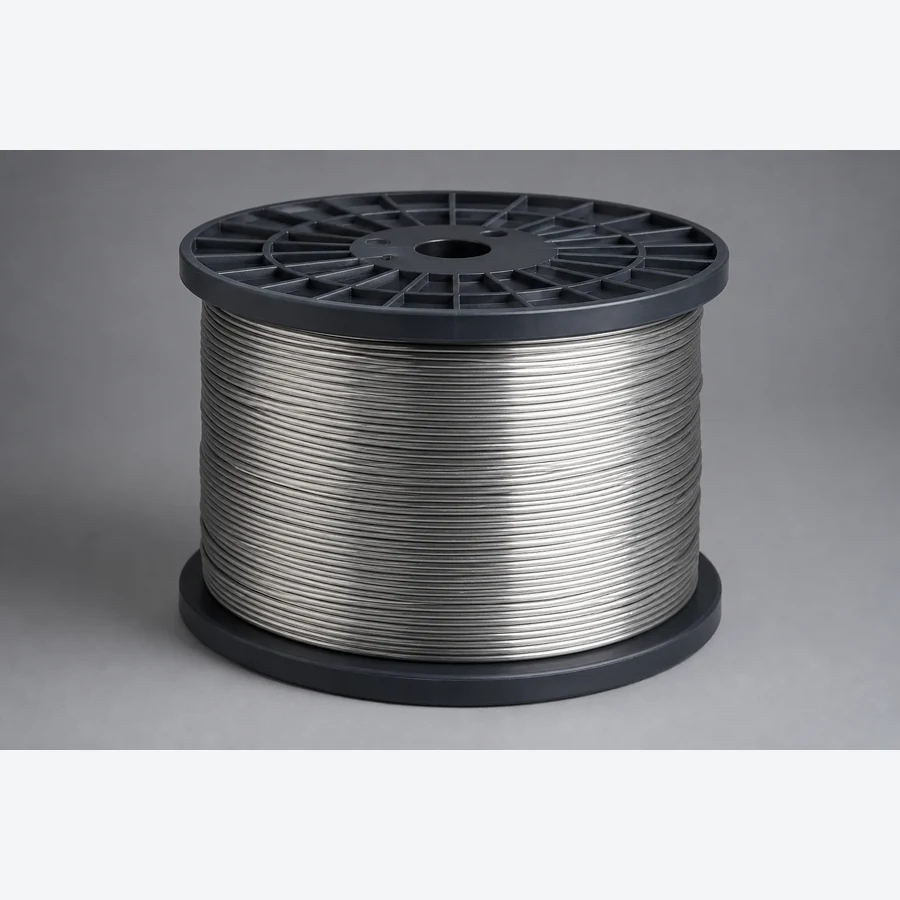
Lead in legacy solder posed a documented health risk in drinking water systems. Modern plumbing codes and owner specs now expect lead-free filler metal on potable copper — and inspectors increasingly ask for proof, not just assurances. Sterling lead-free solder is a tin-copper solid wire formulated without intentional lead addition, listed under NSF/ANSI 61 for contact with drinking water components and NSF/ANSI 372 for lead content limits.
Pair this guide with full alloy specs, heat technique, and silver-bearing options when visible brass work needs finer fillets on the same lead-free standard.
Why lead-free matters
Water chemistry leaches trace metals from plumbing materials over years of service. Lead from old 50/50 tin-lead solder contributed to measurable exposure in schools and housing stock. Federal and state rules now restrict lead in pipes, fittings, and solder used on potable systems. Using certified lead-free alloy is not optional on new work — it is a baseline compliance step.
Lead-free tin-copper solders like Sterling trade slightly different melt behavior for safety. Technicians trained on old alloy may need practice controlling heat — our melting point guide covers the 410°F window. The learning curve is short; the liability reduction is permanent.
NSF ANSI 61 explained
NSF/ANSI 61 evaluates whether materials impart harmful contaminants to drinking water under test protocols that simulate use conditions. Sterling's listing on qualified product forms supports submittals for schools, healthcare, hospitality, and municipal projects where engineers require third-party validation — not just manufacturer claims.
Listing scope matters: confirm diameter, flux pairing, and application category on the certificate match your install. A wire listed for mechanical systems may still need engineer approval on specific food-service designs. Keep PDF certificates on the job tablet for inspector walkthroughs.
NSF ANSI 372 explained
NSF/ANSI 372 addresses lead content in materials themselves — complementary to performance testing under Standard 61. Together they answer two questions owners ask: Does this product contain lead above trace limits? And under simulated use, does it leach regulated substances? Sterling's dual alignment supports both answers on documented SKUs.
Do not assume all silver-bearing or specialty wires share identical listing scope. Verify each spool label and SKU before mixing alloys on one potable riser. Inconsistent documentation slows sign-off even when joints look identical.
Potable copper rough-in
Rough-in is where lead-free discipline pays off hidden behind walls for decades. Prep tube and fittings, apply potable-rated flux, heat the fitting cup, and feed Sterling lead-free wire until a full fillet rings the joint. Underfeed starves strength; overfeed wastes alloy and can bridge cold zones. Apprentices should practice on scrap until fillets are consistent before touching live potable lines.
Flush lines after cooldown per local code to remove flux residue. Even water-soluble chemistry should not remain in service lines. Pressure-test before close-in — discovering a cold joint after drywall is far costlier than an extra hydro hold during rough-in.
Versus legacy alloys
Old 50/50 tin-lead solder melted easily and forgave sloppy technique — it also introduced lead at every sweat. Sterling lead-free tin-copper requires cleaner prep and tighter heat control but delivers 7130 psi tensile on qualified joints without toxic filler. Mechanical strength is not the compromise; workflow adjustment is.
Never blend old alloy on new potable work "just for one coupling." Mixed chemistry fails inspection and poisons the compliance story for the whole riser. Scrape out old solder when repairing legacy systems and resweat with certified lead-free wire.
Flux and rinsing
Lead-free sweating still depends on flux activation. Use flux rated for potable copper and matched to Sterling's melt window. Overheating burns flux, traps oxides, and produces grainy joints that fail pressure holds. Underheating leaves unwetted lands that look fine until the line charges.
Vertical mains may benefit from paste flux or solder paste formats that resist drip into living spaces during overhead work. Chemistry must still rinse clean — paste is not an excuse to skip flush steps.
Inspection checkpoints
Inspectors increasingly photograph labels and certificates, not just joints. Keep Sterling spool labels legible; photograph SKU and lot for project records. Visual joint criteria remain: continuous fillet, no skip, no excessive build-up, no heat discoloration suggesting annealed tube.
Thermoplastic stub-outs and valves near sweats should show no melt damage — lead-free solder's moderate heat helps, but flame discipline still matters. Use heat shields and wet rags on sensitive components per manufacturer guidance.
Service and repair
Repair kits with pocket spools and pre-portioned flux keep lead-free compliance on emergency calls. When cutting out failed legacy joints, remove all old alloy before resweating. Partial removal leaves lead-rich pockets that contaminate the repair story even if new wire is certified.
Document repairs on commercial accounts — facility managers track alloy type for future CMMS work orders. Sterling's consistent labeling simplifies that audit trail compared to generic bulk wire of unknown origin.
Environmental notes
Lead-free solder reduces environmental release during manufacturing, demolition, and recycling compared to lead-bearing products. Scrap copper with lead-free fills is easier to route through compliant recycling streams. Shop sweepings should still be treated as metal waste, not flushed into drains with flux residues.
RoHS-aligned chemistry on Sterling also supports equipment OEMs exporting assemblies into jurisdictions restricting hazardous substances in solders — relevant when your copper subassemblies ship inside larger machines.
Field quick reference
Alloy: Lead-free tin-copper solid wire. Listings: NSF/ANSI 61 and 372 on qualified forms. Melt: 410°F / 210°C working range. Strength: 7130 psi tensile on qualified joints. Never: Mix with legacy lead-tin solder on potable lines. Always: Flush, test, and file certificates.
Lead-free is the default for new Sterling work — not a marketing label. Spec it on bids, stock it on trucks, and train crews on heat technique so compliance and quality match on every potable sweat.